12-Day Kenya & Tanzania Grand Circuit Safari
This 12-day Kenya and Tanzania safari is a comprehensive cross-border circuit covering six iconic wildlife destinations: Lake Nakuru, Masai Mara, Central Serengeti, Ngorongoro Crater, Tarangire National Park, and Lake Manyara. Designed for travelers who want more time in the wilderness, the itinerary includes three-night stays in both the Masai Mara and Central Serengeti, allowing for extended game drives focused on the Big Five, big cats, and Great Migration movements when seasonal conditions align. From Kenya’s Great Rift Valley and wildlife-rich savannahs to Tanzania’s volcanic crater, elephant-filled Tarangire landscapes, and diverse Lake Manyara ecosystem, this 12-day Kenya and Tanzania safari offers an immersive route through some of East Africa’s most productive and contrasting wildlife habitats.
12-Days Kenya and Tanzania Safari Itinerary

Day 1: Nairobi to Lake Nakuru National Park
Your 12-day East African expedition begins with a morning pickup from your hotel in Nairobi or Jomo Kenyatta International Airport (NBO). Board your private 4x4 Safari Land Cruiser and drive approximately 3.5 to 4 hours northwest into the Great Rift Valley, stopping at the escarpment viewpoint to take in sweeping vistas of the valley floor and extinct volcanoes.
Arrive at Lake Nakuru National Park in time to check into your lodge or luxury cliff camp and enjoy a fresh hot lunch. In the late afternoon, set out on your first game drive along the shores of Lake Nakuru. Nakuru is a world-renowned rhino sanctuary, offering exceptional opportunities to view both endangered black and white rhinos at close range. As you explore the yellow-fever acacia forests and lake margins, search for Rothschild's giraffes, waterbucks, lions, leopards, and flocks of flamingos gathering in the shallows.
Return to your lodge at sunset for dinner and overnight.
-
Mid-Range Accommodation: Lake Nakuru Sopa Lodge
-
Luxury Accommodation: The Cliff Nakuru
-
Meal Plan: Lunch, Dinner

Day 2: Lake Nakuru to Masai Mara National Reserve
Following an early breakfast at your lodge, check out and begin a scenic 5 to 5.5-hour overland drive south toward the world-famous Masai Mara National Reserve. Pass through rural agricultural communities, the bustling safari town of Narok, and wide open plains where Maasai pastoralists graze their cattle alongside wild game.
Arrive at your camp or lodge in the Masai Mara around midday, checking in and enjoying a freshly prepared lunch. In the late afternoon, head out on an introductory game drive across the golden savannas of the Mara. This initial drive introduces you to the park’s high wildlife density, featuring immediate sightings of zebras, topis, gazelles, giraffes, and elephant herds while predators begin their evening hunts.
Return to camp at dusk for dinner and rest.
-
Mid-Range Accommodation: Zebra Plains Mara Camp
-
Luxury Accommodation: Keekorok Lodge
-
Meal Plan: Breakfast, Lunch, Dinner

Day 3: Full Day Game Drives in Masai Mara National Reserve
Spend a full, flexible day discovering the rich habitats of the Masai Mara in direct coordination with your expert guide. You can choose an early morning game drive departing at 6:00 AM—the prime window for catching lions, leopards, and hyenas active before the sun rises high—returning to camp later for breakfast. Alternatively, enjoy breakfast at camp and set out at 8:00 AM with a packed picnic lunch for a full day of bush exploration.
Traverse open grasslands, acacia woodlands, and seasonal river channels. Your guide will track resident lion prides resting in the grass, cheetahs scanning from termite mounds, and solitary leopards in riverine trees. Enjoy a scenic picnic lunch in the open bush before continuing your search for large buffalo herds and plains game until the park gates close at 6:00 PM.
Return to camp for dinner and evening campfire relaxation.
-
Mid-Range Accommodation: Zebra Plains Mara Camp
-
Luxury Accommodation: Keekorok Lodge
-
Meal Plan: Breakfast, Lunch, Dinner

Day 4: Deep Masai Mara Exploration (Mara River & Migration Focus)
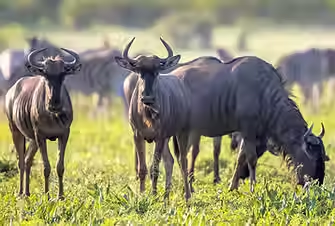
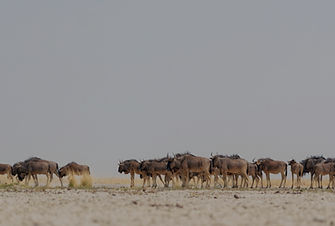
Embark on a second full day dedicated to uncovering deeper, remote sectors of the reserve. Having three nights in the Mara gives you complete freedom to explore the Mara River corridor without feeling rushed. Between July and October, your guide will focus on tracking Great Migration movements, positioning near key river crossing points where massive wildebeest and zebra herds gather along the steep banks.
Explore riverine forests home to hippos wallowing in deep pools and giant Nile crocodiles basking on sandbanks. Enjoy a peaceful picnic bush lunch surrounded by wide open vistas. Use the afternoon to search for elusive species like servals, caracals, and bat-eared foxes, as well as the reserve's rich birdlife, before returning to camp in the evening for dinner.
-
Mid-Range Accommodation: Zebra Plains Mara Camp
-
Luxury Accommodation: Keekorok Lodge
-
Meal Plan: Breakfast, Lunch, Dinner

Day 5: Masai Mara → Guided Isebania Border Crossing → Central Serengeti
After an early breakfast, check out of your Mara camp and drive approximately 3.5 to 4 hours westward to the Isebania border post with a packed picnic lunch. Upon arrival, your Kenyan driver-guide will escort you through exit immigration. Walk across to the Tanzanian side to clear entry formalities and meet your dedicated Tanzanian driver-guide around noon.
Board your Tanzanian private 4x4 Safari Land Cruiser and drive toward Central Serengeti National Park (approx. 4.5 hours drive), passing local farming villages along the way. Stop at Ikoma Gate to process park entry permits while enjoying your picnic lunch. Enter the park and enjoy an en-route afternoon game drive through the western corridor into the central Seronera plains. Arrive at your central Serengeti camp by evening for dinner and overnight stay.
-
Mid-Range Accommodation: Serengeti Safari Haven Camp
-
Luxury Accommodation: Serengeti Sametu Camp
-
Meal Plan: Breakfast, Lunch, Dinner

Day 6: Full Day Game Drives in Central Serengeti (Seronera River Valley)
Spend a full day exploring the Seronera River valley, widely recognized as the wildlife-rich heart of the Serengeti ecosystem. The Seronera River provides permanent water, attracting dense wildlife concentrations year-round. Carry a packed picnic lunch to remain out on game drives all day without returning to camp.
Your guide will navigate river loops and open grassland tracks, tracking the region's famous big cats. Central Serengeti holds large lion prides, high densities of leopards resting in riverine acacia branches, and cheetahs hunting across open savannas. Pause at a designated wilderness picnic site for lunch before continuing your search for elephant herds, giraffes, waterbucks, and hyenas. Return to camp in the late afternoon for dinner.
-
Mid-Range Accommodation: Serengeti Safari Haven Camp
-
Luxury Accommodation: Serengeti Sametu Camp
-
Meal Plan: Breakfast, Lunch, Dinner

Day 7: Deep Central Serengeti Exploration (Kopjes & Open Plains)
Embark on another full day in the Central Serengeti to explore different sectors of the central plains. Having three full days in the Serengeti allows your guide to tailor routes based on real-time game movements and weather patterns.
Focus on exploring iconic granite kopjes (such as Maasai Kopjes or Moru Kopjes), which serve as lookout posts for lions and cheetahs. Search for dwarf mongooses, klipspringers, and solitary leopards in these rocky habitats. Enjoy a packed picnic lunch in the field and spend the afternoon tracking general game herds, ostriches, and over 500 recorded bird species. Return to camp at dusk for dinner around the campfire.
-
Mid-Range Accommodation: Serengeti Safari Haven Camp
-
Luxury Accommodation: Serengeti Sametu Camp
-
Meal Plan: Breakfast, Lunch, Dinner

Day 8: Central Serengeti → Naabi Hill → Ngorongoro Highlands
Enjoy an early breakfast followed by a final morning game drive through the Central Serengeti plains. Around noon, depart toward the Ngorongoro Conservation Area (approx. 3.5 to 4 hours drive), carrying a packed picnic lunch.
Stop at Naabi Hill Gate, the main entry point into the Ngorongoro highlands. Enjoy your lunch and take a short walk up the Naabi Hill kopje for 360-degree views extending across the vast Serengeti plains. Reboard your vehicle and ascend into the cool, green highlands of Ngorongoro. Arrive at your accommodation on the crater rim or in nearby Karatu by late afternoon to relax and enjoy a warm dinner in the cooler mountain climate.
-
Mid-Range Accommodation: Mvuli Hotel Ngorongoro
-
Luxury Accommodation: The Retreat at Ngorongoro
-
Meal Plan: Breakfast, Lunch, Dinner

Day 9: Ngorongoro Crater Big Five Tour → Transfer to Karatu
Wake up early for breakfast before descending 600 meters down the steep caldera walls onto the floor of the Ngorongoro Crater around 6:00 AM. Reaching the crater floor by 7:00 AM allows you to track wildlife during active morning hours before midday heat and crowd buildup.
Enjoy a 5-hour game drive across this intact volcanic caldera, exploring open grasslands, fever tree forests, and Lake Magadi. The crater floor supports over 25,000 large mammals, including bull elephants, buffaloes, hippos, hyenas, lions, and the endangered black rhino. Enjoy a scenic picnic lunch near the Ngoitokitok Hippo Pool. After lunch, ascend out of the crater and drive to your lodge in Karatu for a relaxing evening and dinner.
-
Mid-Range Accommodation: Mvuli Hotel Ngorongoro
-
Luxury Accommodation: The Retreat at Ngorongoro
-
Meal Plan: Breakfast, Lunch, Dinner

Day 10: Karatu to Tarangire National Park (Baobab & Elephant Safari)
After breakfast, depart Karatu and drive approximately 1.5 to 2 hours to Tarangire National Park for a full day of game drives. Tarangire is world-famous for its massive elephant herds—sometimes hundreds strong—and its dramatic landscape dotted with giant, ancient baobab trees.
Set off on game drives along the Tarangire River circuit, where animals gather to drink. Track elephants, lions, leopards, cheetahs, giraffes, buffaloes, and dry-land antelope species like the lesser kudu, fringe-eared oryx, and eland. Enjoy a packed picnic lunch overlooking the river. In the late afternoon, transfer to your Tarangire lodge or tented camp for dinner and overnight stay.
-
Mid-Range Accommodation: Tarangire Safari Haven Camp
-
Luxury Accommodation: Elephant Springs Tarangire Camp
-
Meal Plan: Breakfast, Lunch, Dinner

Day 11: Tarangire to Lake Manyara National Park Exploration
Day 11: Tarangire to Lake Manyara National Park Exploration After breakfast, drive from Tarangire to Lake Manyara National Park (approx. 1 hour drive). Lake Manyara sits directly at the base of the Great Rift Valley escarpment, offering a stark contrast of lush groundwater forest, acacia woodland, and open lakebed.
Spend the day on game drives exploring the mahogany and fig forests, home to giant troops of olive baboons and blue monkeys. Drive out toward the alkaline shores of Lake Manyara to view thousands of flamingos, pelicans, and storks. Keep an eye on the high branches of acacia trees for Manyara's famous tree-climbing lions. Enjoy a picnic lunch inside the park before retiring to your lodge for dinner.
-
Mid-Range Accommodation: Karatu / Manyara Safari Lodge
-
Luxury Accommodation: Lake Manyara Kilimamoja Lodge
-
Meal Plan: Breakfast, Lunch, Dinner

Day 12: Cultural Walk / Heritage Tour → Transfer to Arusha
On your final day, enjoy a relaxed breakfast at your lodge. Depending on your flight schedule, participate in a guided cultural walk through the nearby village of Mto wa Mbu, visiting local banana plantations, rice farms, and artisan workshops to experience everyday life in rural Tanzania.
After lunch, begin the 2 to 2.5-hour drive back to Arusha. Your guide will drop you off at your preferred location, hotel, or directly at Arusha Airport (ARK) or Kilimanjaro International Airport (JRO) for your onward flight to Zanzibar or international homebound flight, concluding your 12-day safari.
-
Meal Plan: Breakfast, Lunch
Why Book This 12-Day Kenya & Tanzania Combo Safari?
Complete Inclusion of 6 Legendary East African Parks
The ultimate advantage of expanding to 12 days is achieving absolute coverage across six major reserves: Lake Nakuru, Masai Mara, Serengeti, Ngorongoro Crater, Tarangire, and Lake Manyara. This ensures you experience every major wildlife habitat type in East Africa without missing a single iconic park.
Inclusion of Lake Manyara’s Lush Groundwater & Canopy Ecosystem
Adding Lake Manyara provides an ecological contrast found nowhere else on the circuit. Beneath the Rift Valley wall, Manyara features dense mahogany groundwater forests, immense troops of olive baboons, flamingo-lined soda shores, and famous tree-climbing lions resting in acacia branches.
Dual 3-Night Anchor Base Stays in Mara & Serengeti
Even with six parks on the itinerary, the 12-day framework protects your core safari experience by keeping three-night anchor stays in both the Masai Mara and Central Serengeti. This prevents transit fatigue and gives you multiple full days with zero packing or hotel moving.
Highest Possible Species Diversity & Wildlife Encounter Rates
By combining soda lakes (Nakuru & Manyara), savanna plains (Mara & Serengeti), a volcanic caldera (Ngorongoro), and baobab riverlands (Tarangire), your probability of seeing every major East African mammal, predator, and rare bird species climbs to near certainty.
Questions About 12-Day Tanzania and Kenya Safaris
What is the best time to take this 10-day Kenya-Tanzania safari?
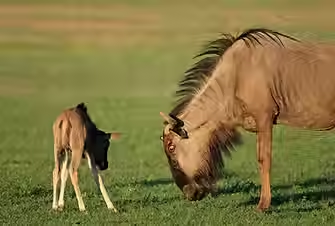
The optimal window for this 10-day cross-border expedition spans the dry season months from July through October. During this prime period, wildlife congregates in massive numbers along permanent water sources, vegetation thins out to dramatically improve visibility, and the world-famous Great Migration moves into the Masai Mara, offering incredible opportunities to witness dramatic river crossings. Another exceptional timeframe is between January and March, which aligns with the calving season in the southern Serengeti plains, bringing intense predator action as lions, cheetahs, and hyenas target newborn wildebeest calves. That said, the general dry season from June to October delivers superb game viewing, pleasant weather, and clear skies across all five ecosystems on the itinerary.
How is this 10-day safari different from shorter safaris?
Unlike shorter 6-, 7-, or 8-day itineraries that often force travelers to choose between quick whistle-stop park visits or skipping major reserves altogether, this 10-day package incorporates a full day in Tarangire National Park without sacrificing depth elsewhere. Tarangire introduces a completely distinct ecological dimension characterized by ancient baobab trees, riverine marshes, and some of Africa's densest elephant populations. Crucially, by extending the total circuit duration, you retain unhurried, three-night stays in both the Masai Mara and the Central Serengeti. This ensures you have ample time to track big cats and follow seasonal migration herds without feeling rushed by daily long-distance driving transfers.
What makes Tarangire National Park special?
Tarangire National Park stands out as one of East Africa's most visually dramatic and wildlife-rich reserves, famous primarily for hosting massive elephant herds that frequently gather in groups hundreds strong along the Tarangire River. The park’s iconic skyline is dominated by colossal, centuries-old baobab trees set against rolling hills and riverine swamp systems, creating a surreal backdrop for wildlife photography. Beyond its famed elephant population, Tarangire's permanent water network acts as a magnet for dry-country wildlife species that are rarely seen in the Serengeti or Mara, including the elusive lesser kudu, fringe-eared oryx, and heavy eland. It is also an extraordinary sanctuary for birdwatchers, boasting over 550 recorded avian species.
Will I see the Great Migration on this tour?
Your chances of encountering the Great Migration on this tour are exceptionally high, particularly if you travel during the peak months of July through October. By allocating three full days to the Masai Mara National Reserve, your guide has the operational flexibility to navigate deep into the Mara River sectors where hundreds of thousands of wildebeest and zebras congregate along steep riverbanks, waiting to braving predator-infested waters. Outside of the peak migration season, the itinerary covers the Central Serengeti year-round. The Seronera Valley hosts vast populations of resident plains game and big cats continuously, ensuring that even when the main migratory mega-herds are on the move elsewhere, you will still experience incredible predator and herbivore action.
Do I need a visa for both Kenya and Tanzania?
Yes, because this safari traverses both Kenya and Tanzania, most international travelers must secure valid entry authorizations for both nations prior to arrival. For Kenya, travelers need to apply online for the electronic Travel Authorization (eTA) through the official government portal prior to boarding their flight. For Tanzania, visitors should apply online for an electronic visa (e-Visa) well in advance of the trip, or acquire a tourist visa upon arrival at the Isebania border post depending on their specific nationality. It is essential that your passport retains at least six months of validity beyond your scheduled departure date, along with multiple blank visa pages for border control stamps.
What wildlife will I see on this safari?
This 10-day journey is designed to maximize species diversity across five distinct ecosystems, giving you an outstanding statistical probability of encountering the complete Big Five: lion, leopard, elephant, African buffalo, and rhino. Lake Nakuru and the Ngorongoro Crater provide protected sanctuaries for tracking both endangered black and white rhinoceroses, while Tarangire and the Masai Mara showcase immense elephant and buffalo herds. Throughout the Mara and Serengeti plains, you will witness active predator dynamics involving lion prides, cheetah coalitions, spotted hyenas, and elusive leopards resting in riverine acacias. Additionally, you will spot giraffes, hippos, crocodiles, topis, zebras, gazelles, and a vast array of bird species, including pink flamingos and dry-land specialists like the lesser kudu.
Is this safari suitable for children?
Yes, this 10-day expedition is very well-suited for families with children, offering an immersive, real-world educational adventure through Africa's premier wilderness areas. Parks like Lake Nakuru and Tarangire are especially engaging for younger travelers due to their high animal density and dramatic sightings of rhinos, flamingos, and giant elephant herds at close range. However, parents should keep in mind that the itinerary involves multiple long overland driving segments across bumpy dirt roads, as well as early morning starts. Most selected lodges and tented camps warmly welcome families, offer family-style rooms, and cater to young palates, though it is always recommended to check for specific age policies or vehicle adjustments if traveling with very young children.
What vaccinations do I need for this trip?
A Yellow Fever vaccination certificate is strictly mandatory for all travelers undertaking this cross-border itinerary, as border officials require proof of immunization when crossing overland from Kenya into Tanzania at Isebania. Medical authorities also strongly recommend ensuring your routine vaccinations—such as Hepatitis A, Hepatitis B, Typhoid, Tetanus, and Polio—are fully up to date prior to departure. Because all five park regions sit within active malaria zones, taking a prescribed malaria prophylactic course (such as Atovaquone-Proguanil/Malarone or Doxycycline) is essential. You should consult a qualified travel medicine specialist or tropical disease clinic 4 to 6 weeks before traveling to customize your medical preparation based on your personal health profile.
What should I pack for a cross-border safari?
Packing efficiently requires prioritizing lightweight, breathable clothing in neutral tone colors like khaki, beige, olive, and tan, which blend into the savanna environment and do not attract biting insects like tsetse flies. Be sure to pack a warm jacket, fleece, or sweater, as early morning game drives and highland evenings in places like the Ngorongoro Crater Rim can get surprisingly cold. Essential gear includes a wide-brimmed sun hat, UV-blocking sunglasses, high-SPF sunscreen, effective insect repellent containing DEET, quality compact binoculars, a camera with a telephoto zoom lens, and personal prescription medications. Because luggage space in custom 4x4 safari vehicles is structured for space efficiency, packing everything in soft-sided duffel bags rather than hard-shell suitcases is strongly encouraged.